If you're trading index options this week, you might want to double-check your risk settings.
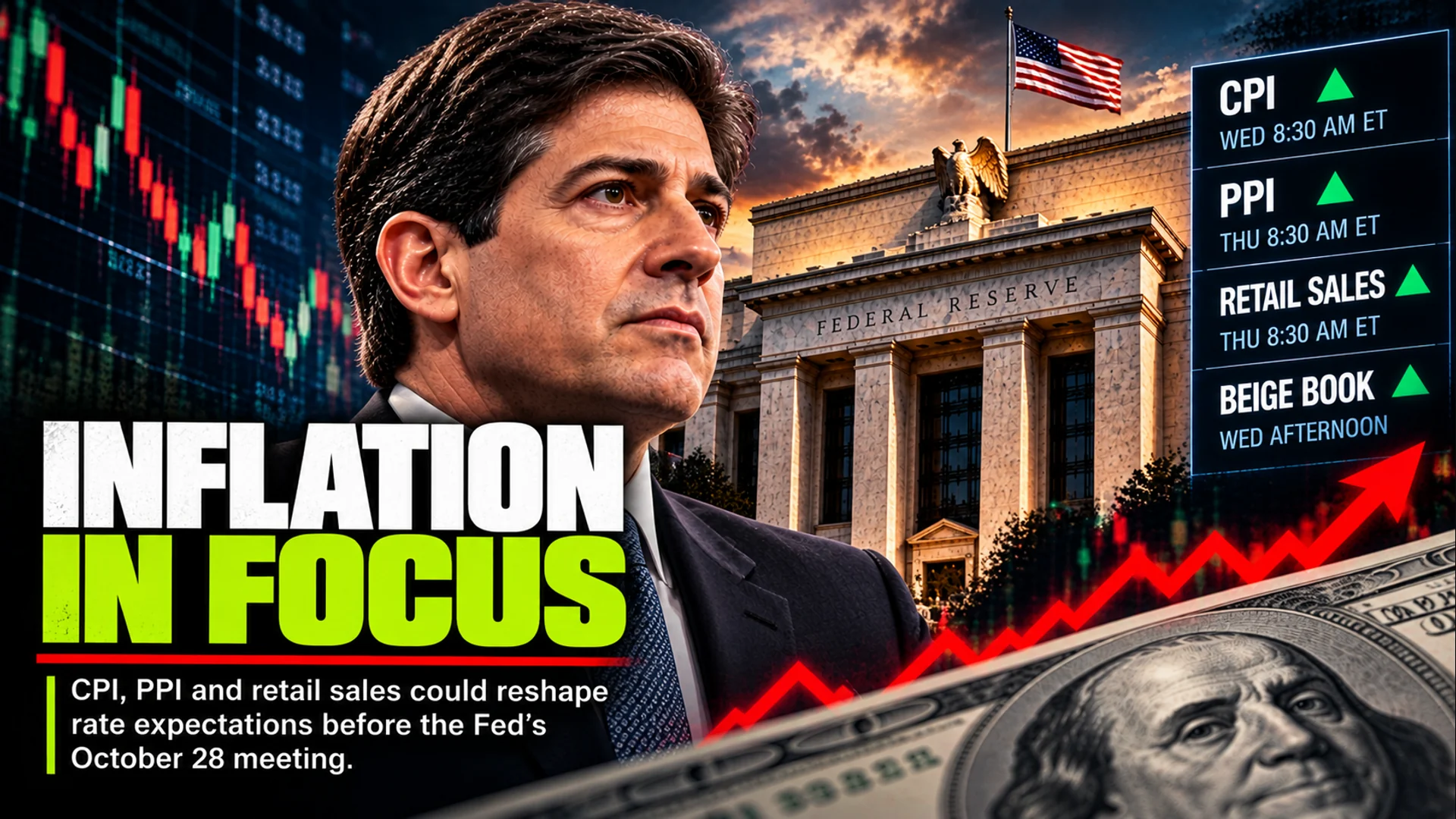
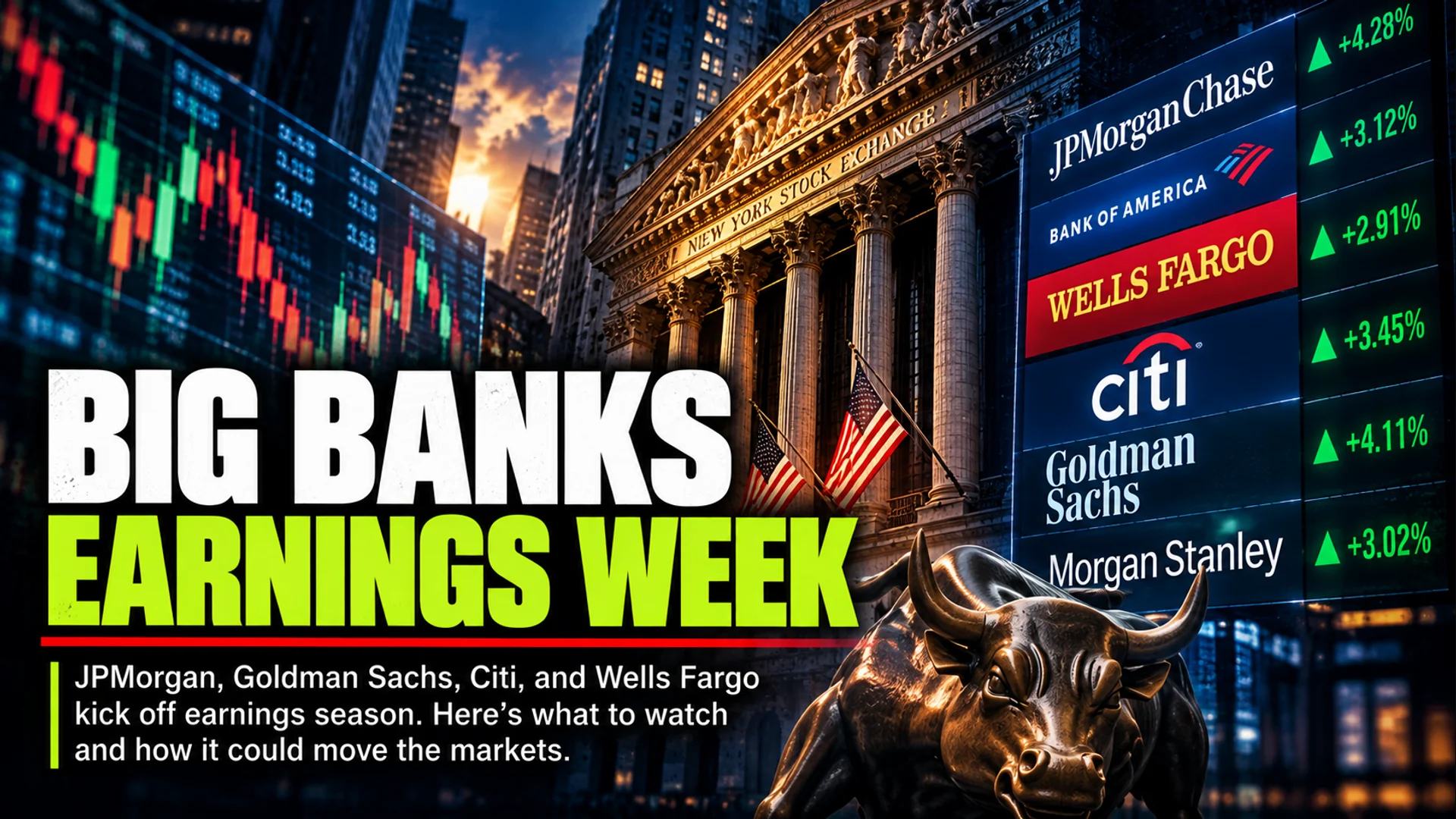
Wall Street is entering a stretch featuring major bank earnings, inflation reports, consumer spending data, and monthly options expiration.
That's a lot of potential market-moving information squeezed into a very small window.
Why options expiration matters
Options expiration can influence how markets move because dealers and other market participants adjust hedges as contracts approach settlement.
One important concept is gamma, which measures how quickly an option's delta changes as the underlying asset moves.
When dealers are positioned with positive gamma, their hedging activity can sometimes dampen price swings.
When they're positioned with negative gamma, hedging can sometimes reinforce directional moves.
But those effects depend on actual positioning.
Expiration alone does not guarantee a rally, selloff, or volatility explosion.
A detail SPX traders shouldn't overlook
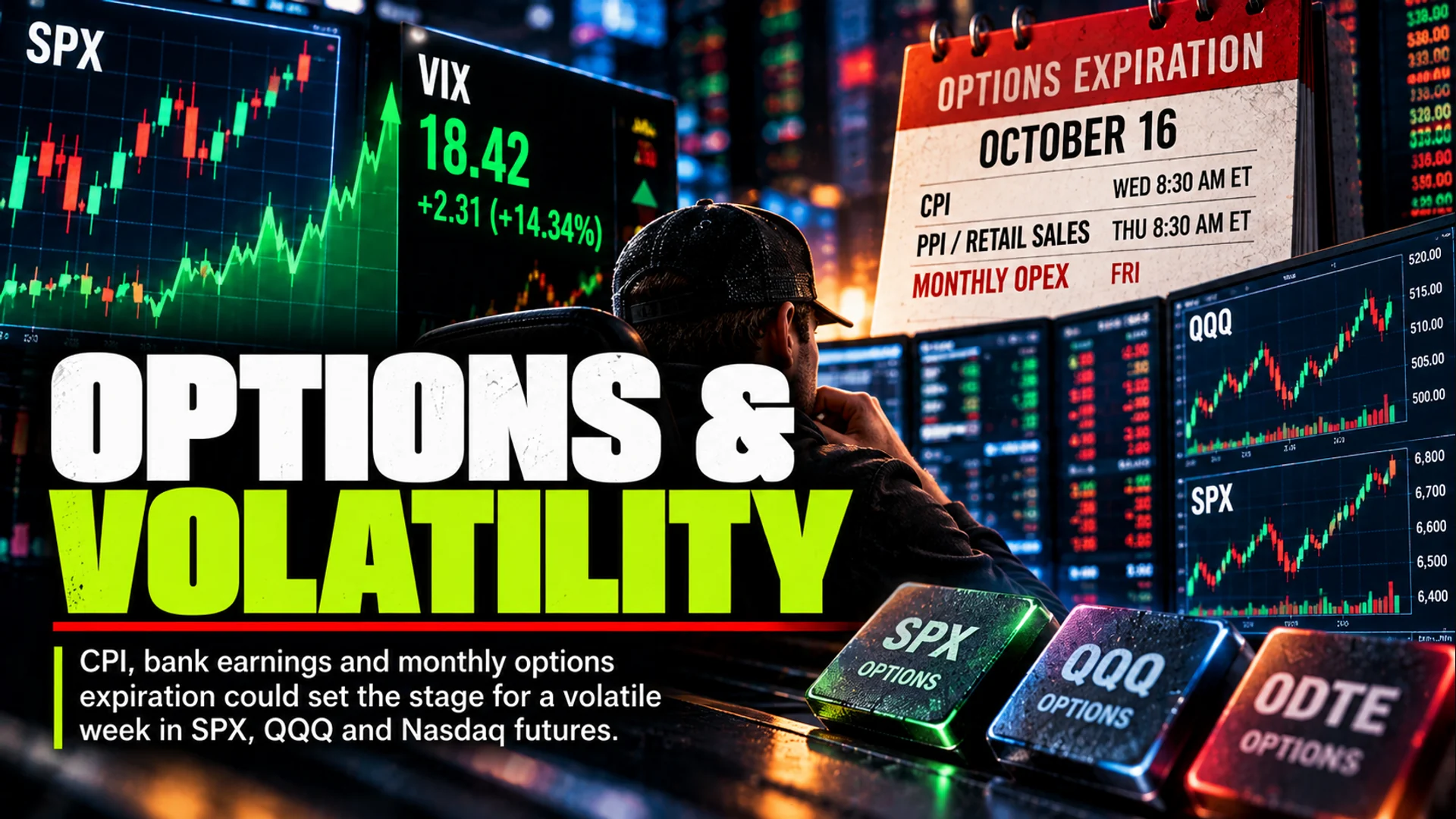
Friday, October 16, is the standard monthly options expiration date for October 2026.
Traditional monthly SPX options are generally AM-settled, meaning their last trading day is ordinarily the preceding Thursday. Their final settlement value is calculated using the Friday opening prices of the component stocks.
Friday-expiring PM-settled SPXW contracts follow different settlement mechanics.
Confusing those two products can create unwanted overnight exposure.
Traders should verify the precise contract specifications and trading cutoffs with Cboe and their brokerage before holding positions into expiration.
What traders should watch
For SPX, ES, QQQ, and NQ traders, the week's potential volatility windows include major scheduled economic releases, earnings announcements, and expiration-related positioning changes.
Official schedules put September CPI on Wednesday, October 14, at 8:30 a.m. ET; September PPI and retail sales are scheduled for Thursday, October 15, at 8:30 a.m. ET.
Bank earnings may also create sector-specific moves that spill into the major indexes.
Keep an eye on implied volatility, option premiums, liquidity, and the difference between the market's initial reaction and its sustained direction.
Why being right on direction isn't enough
Options prices are influenced by more than the underlying asset's direction.
Implied volatility, time to expiration, strike selection, and the size and timing of the move all affect outcomes.
An option buyer can correctly predict a market move and still lose money if the premium paid was too expensive relative to the realized move.
Short-dated contracts can amplify both gains and losses.
The RLN take
This is the kind of week where an option can be up 80%, down 60%, and back to breakeven before you've finished your coffee.
And remember: correctly predicting the direction doesn't automatically mean you'll profit from an option.
Entry price, implied volatility, time decay, and timing all matter.
Bottom line: The catalysts are real, but the direction isn't predetermined. Manage the position you're actually holding, not the move you're hoping to catch.
Sources and documents
Details can change. Review the linked sources and dated evidence alongside this report.