Oil traders are heading into another week with plenty of reasons to keep one eye on the charts and the other on breaking headlines.
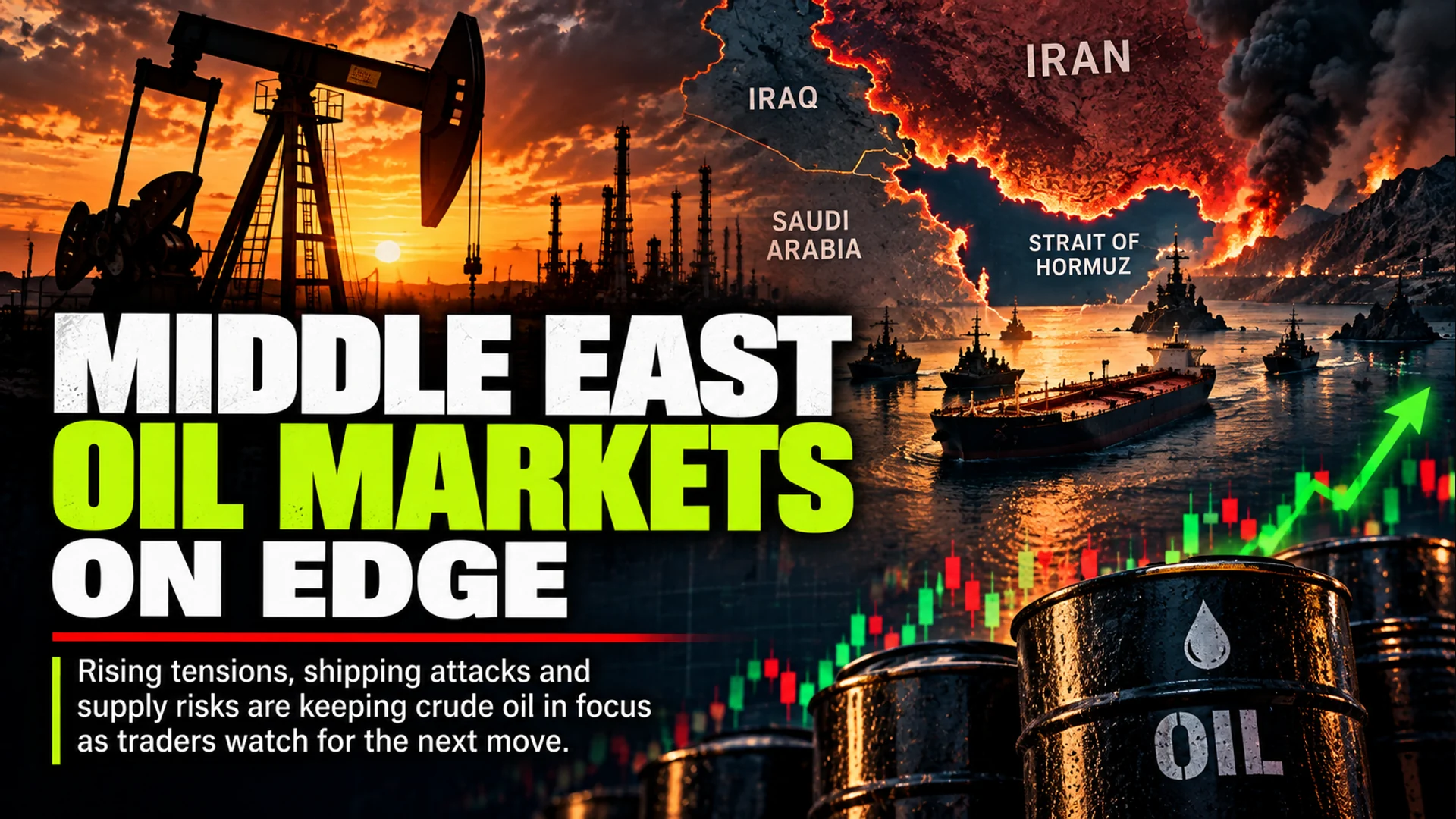
The U.S. Energy Information Administration's October 6 outlook says the conflict in the Middle East continues to disrupt crude flows through the Strait of Hormuz and alternative routes. EIA expects transportation costs and risk premiums to remain elevated until supply constraints ease, and warns that short-term price swings could exceed its forecast.
At the same time, weather-related disruptions and changing production expectations can add another layer of uncertainty to crude oil markets.
These risks matter because oil prices are influenced not only by current supply and demand but also by expectations about future disruptions.
Why the Strait of Hormuz matters
The Strait of Hormuz is one of the world's most important oil-shipping routes.
EIA estimates that oil flows through the strait averaged 21.6 million barrels per day in the fourth quarter of 2025, before falling to 4.9 million barrels per day in the second quarter of 2026 amid the conflict. Those are period averages, not a current daily flow figure.
When security threats affect commercial shipping, energy markets may begin pricing in delayed shipments, higher insurance costs, or reduced supply.
Even without a prolonged disruption, uncertainty can contribute to substantial price swings.
And oil doesn't exist in a vacuum.
Higher crude prices can eventually translate into more expensive gasoline, transportation, manufacturing, and consumer goods.
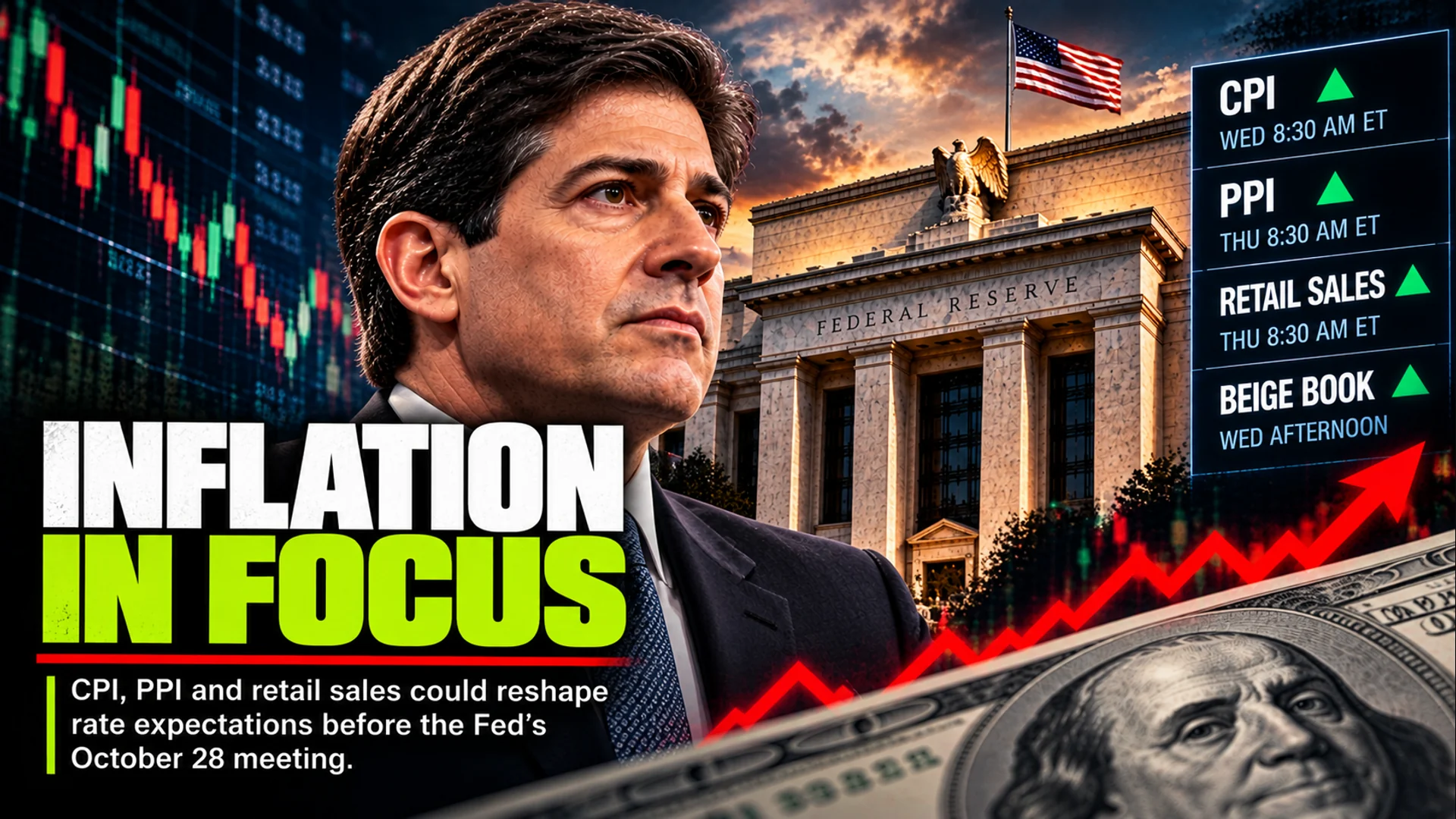
That can complicate the Federal Reserve's efforts to control inflation.
What it means for stocks
Energy producers may benefit from higher crude prices, although individual company performance depends on costs, production, and other factors.
Airlines and transportation businesses can face pressure from rising fuel expenses.
Consumer-facing companies may also suffer if households have less disposable income after paying more at the pump.
Meanwhile, higher oil prices can push inflation expectations upward, creating another challenge for interest-rate-sensitive stocks.
What traders should watch
Keep Brent and WTI crude on the radar, alongside XLE, major energy companies, Treasury yields, and the U.S. dollar.
Watch for confirmed developments involving shipping conditions, regional diplomacy, production disruptions, and the restoration of affected facilities.
The important point is that both escalation and de-escalation can produce sharp market moves.
Oil can rally quickly on supply fears and retreat just as quickly when those fears ease.
The RLN take
Oil is trading on supply fundamentals, weather reports, diplomacy, and military headlines.
In other words, about four different things that can completely ruin a beautiful technical setup before breakfast.
Bottom line: Energy-market instability remains a meaningful risk to inflation expectations and broader market sentiment.
Sources and documents
Details can change. Review the linked sources and dated evidence alongside this report.